Creating Effective Transportation Plans for Large Parties and Events
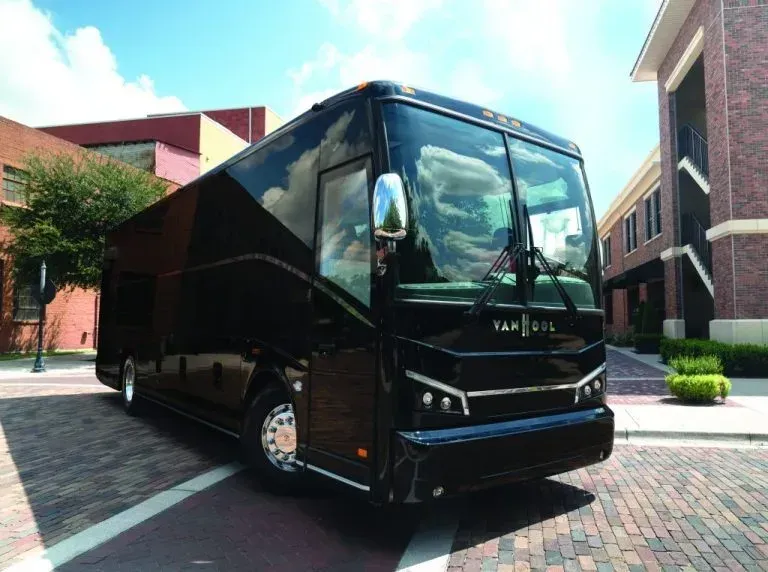
Coordinating transportation for a large group can quickly become a complex task when multiple schedules, pickup arrangements, and travel expectations are involved. Whether the event involves business gatherings, family functions, group activities, or special occasions, achieving timely arrivals for everyone calls for careful planning. A well-organized transportation strategy helps eliminate confusion, reduces delays, and creates a more enjoyable experience for everyone involved. By focusing on the critical factors involved in group transportation planning, organizers can create an efficient travel experience throughout the entire trip.
When numerous travelers journey together, transportation extends beyond basic passenger movement between locations. It becomes a significant component of the entire event experience. Thoughtful planning helps support schedules, facilitate communication among passengers, and promote a smoother journey. At A1 Quality Express Limousine, we know that well-planned transportation solutions help groups enjoy a confident and hassle-free travel experience.
Initiate Transportation Planning Well Before the Event
Reliable group transportation starts with thoughtful preparation ahead of time. Postponing transportation decisions until the last moment can limit flexibility and make accommodations more challenging. Transportation planning should begin with confirming passenger totals, travel timelines, expected departure schedules, and destination requirements. Securing these details ahead of time helps build an effective transportation strategy that supports the overall schedule.
Early preparation helps organizers identify possible challenges before they create disruptions. Transportation arrangements can be affected by traffic conditions, event timelines, pickup coordination, and accessibility requirements. Taking care of these elements early allows organizers to implement transportation plans that keep travelers moving effectively. Careful planning regularly produces more efficient travel experiences with fewer complications.
Evaluate Group Size and Travel Requirements
A critical transportation planning task is evaluating the number of participants and their specific requirements. Reliable attendance numbers contribute to selecting appropriate transportation options and maximizing efficiency. Organizers should confirm attendance numbers as early as possible and continue updating those figures as plans evolve.
Apart from determining group size, attention should be given to the unique needs of participants. Certain passengers may need extra storage capacity, while others may require accessibility support or special arrangements. Recognizing these requirements helps transportation plans be tailored appropriately. Investing time in collecting detailed information helps support a smoother and more comfortable journey for everyone involved.
Create a Detailed Transportation Schedule
A structured transportation timetable acts as a blueprint for all participants. Planners need to map out departure schedules, pickup points, travel time estimates, arrival targets, and designated stops. Well-structured scheduling minimizes confusion and ensures all participants know their exact timing and place. Clear communication and consistent scheduling are essential for managing large groups effectively.
Clear communication is essential for making transportation schedules successful. All passengers should be provided with transportation information prior to the event. Sharing travel details through various platforms helps keep everyone aligned. Well-defined expectations contribute to smoother and more efficient transportation execution.
Designate Centralized Gathering Locations
Managing multiple pickup locations can create unnecessary complexity for large-group transportation. Whenever feasible, planners should designate central pickup and drop-off locations that are convenient for everyone. Centralizing locations helps speed up boarding and minimizes delays caused by frequent stops. It contributes to clearer communication and better operational performance.
These locations simplify passenger tracking before the journey begins. Group coordinators can confirm attendance, provide updates, and address concerns before departure. An organized system helps ensure readiness and schedule adherence. Defined meeting locations greatly improve coordination throughout the journey.
Emphasize Clear Communication Across the Entire Process
Strong communication is a critical factor in effective coordination of group travel. All group members should receive ongoing updates about schedules and changes. Clear and correct information prevents misunderstandings and supports preparation. Strong communication increases both efficiency and overall satisfaction.
Planners should create stable communication channels for ongoing updates. Group messaging systems, email notifications, and designated contact persons can help ensure information reaches all participants quickly. In the middle of any successful transportation plan, communication remains the connecting element that keeps everyone informed and aligned. Ongoing communication supports confidence and limits disruptions.
Prepare for Unexpected Situations
Even the most organized transportation plans can experience surprises. Weather conditions, traffic congestion, schedule adjustments, and participant delays may require quick decision-making. Building flexibility into transportation plans helps organizers respond effectively when unforeseen situations arise. Good preparation improves resilience during unexpected changes.
Contingency planning should include backup communication methods, alternate routes when appropriate, and designated points of contact who can assist with decision-making. Defined procedures support calm and organized reactions to unexpected issues. Anticipatory planning keeps operations effective even when changes occur.
Emphasize Comfort and Convenience for Passengers
The comfort of travelers here strongly influences the journey experience. Groups traveling together for long periods require strong focus on comfort. Proper seating arrangements and organized boarding improve the overall journey atmosphere. Travelers who feel comfortable are more likely to enjoy the experience and arrive ready for their planned activities.
Convenience is an important factor in smooth transportation management. Simplified processes help avoid confusion and delays for passengers. Thoughtful coordination allows travelers to enjoy the event freely. A comfortable and convenient journey often enhances the overall success of the occasion.
Partner with Skilled Transportation Experts
Handling group transportation requires managing many elements, making expert support important. Skilled transport professionals understand scheduling, passenger flow, and efficient operations. Their expertise helps planners manage complex logistics while maintaining organized and dependable operations.
Skilled transport professionals bring practical knowledge that enhances coordination. Their expertise in group travel supports proactive problem-solving. Professional assistance enables organizers to focus on the occasion while transport is handled efficiently.
Make Group Transportation Part of the Event Experience
Transportation should be viewed as an extension of the event rather than simply a method of travel. Coordinated travel allows guests to start experiencing the event early. When transportation is organized effectively, it contributes positively to the overall experience and helps establish a professional and welcoming atmosphere.
At A1 Quality Express Limousine, we understand that successful transportation relies on planning, communication, and customer care. Managing group transportation becomes easier when effective strategies are used. Attention to structure and comfort ensures successful group transportation experiences. We take pride in helping create smooth transportation experiences that allow every passenger to travel with confidence and peace of mind.